


Building a strong relationship often feels overwhelming when life gets busy and communication starts to slip. You want to feel closer and more supported, but it can be hard to know where to begin or how to keep that spark alive long term. The good news is that using simple yet powerful tracking tools can bring clarity, motivation, and deeper connection into your day-to-day routine.
The right habits and shared rituals help you both stay emotionally connected, fairly share responsibilities, and celebrate growth together. Ahead, you’ll discover proven ways to use trackers and templates that turn ordinary moments into opportunities for understanding and support. Get ready to explore actionable strategies that can strengthen your bond in ways you can see and feel every single day.
Table of Contents
- 1. Start Simple with Daily Check-In Trackers
- 2. Share Responsibility Using Task Progress Charts
- 3. Gamify Growth with XP and Reward Systems
- 4. Show Love-Languages with Recognition Tracking
- 5. Balance Fairness Through Contribution Logs
- 6. Connect Emotionally Using Intimacy Wish Lists
- 7. Mark Progress with Relationship Milestone Boards
Quick Summary
| Key Insight | Explanation |
|---|---|
| 1. Daily Check-Ins Enhance Connection | Engaging in daily 10-minute conversations fosters emotional alignment and strengthens relationship bonds. |
| 2. Task Progress Charts Promote Teamwork | Visual tracking of household tasks creates accountability and recognizes contributions, reducing conflict and enhancing collaboration. |
| 3. Gamification Makes Growth Fun | Implementing game mechanics for relationship goals increases motivation and engagement through shared experiences and rewards. |
| 4. Recognizing Love Languages is Essential | Understanding each partner’s love language improves relationship satisfaction and deepens emotional connections through intentional actions. |
| 5. Contribution Logs Build Appreciation | Documenting both visible and invisible contributions fosters mutual recognition, reducing resentment and enhancing relationship harmony. |
1. Start Simple with Daily Check-In Trackers
Daily check-ins are the secret weapon for couples seeking deeper emotional connection and relationship resilience. These short, intentional conversations create a consistent communication ritual that helps partners stay emotionally aligned and supportive.
At its core, a daily check-in is a structured 10-minute conversation designed to strengthen your relationship’s emotional foundation. Unlike problem-solving sessions, these check-ins focus on emotional connection and mutual understanding.
Key benefits of daily check-in trackers include:
- Reducing communication gaps
- Preventing emotional drift
- Creating predictable intimacy moments
- Increasing relationship satisfaction
- Building emotional responsiveness
Successful daily check-ins typically involve sharing:
- Personal highlights from the day
- Current emotional state
- Upcoming challenges or stressors
- Moments of appreciation for each other
- Short-term personal or shared goals
Daily check-ins are less about solving problems and more about creating a safe emotional space for genuine connection.
Tracking these check-ins transforms them from sporadic conversations into a deliberate relationship maintenance strategy. By consistently showing up and being present, couples build a reservoir of trust and understanding.
Pro tip: Create a simple shared digital or physical tracker where you can log your daily check-in highlights and track your emotional connection progress.
2. Share Responsibility Using Task Progress Charts
Task progress charts are powerful relationship tools that transform mundane household responsibilities into a collaborative game of mutual support. By visually tracking shared tasks using comprehensive tracking templates, couples can create transparency and accountability in their daily lives.
Shared responsibility tracking goes beyond simple to-do lists. These charts help partners:
- Recognize each other’s contributions
- Distribute tasks fairly
- Reduce potential conflicts about household management
- Create a sense of teamwork
- Visualize individual and collective progress
Effective task progress charts typically include:
- Specific household or personal tasks
- Clear completion status indicators
- Weekly or monthly tracking periods
- Balanced distribution of responsibilities
- Space for mutual appreciation
A well-designed task progress chart transforms chores from individual burdens into shared victories.
Gamifying household responsibilities makes mundane tasks feel more engaging. By turning task completion into a visual journey, couples can create a supportive system that celebrates each other’s efforts.
Pro tip: Choose a tracking method that feels fun and low-pressure for both partners, whether digital or physical, to maintain motivation and consistent use.
3. Gamify Growth with XP and Reward Systems
Turning relationship growth into a playful adventure transforms mundane self-improvement into an exciting collaborative experience. Gamification turns personal development into a shared journey where partners earn experience points and unlock relationship milestones together.
By incorporating game design elements into habit tracking, couples create a motivational ecosystem that makes personal and shared goals feel like an engaging multiplayer game. The key is transforming effort into tangible, rewarding experiences.
Key benefits of relationship gamification include:
- Increased motivation for personal growth
- Transparent tracking of individual and shared progress
- Reduced friction around accountability
- More playful approach to self-improvement
- Enhanced emotional connection
Effective XP and reward systems typically involve:
- Establishing clear personal and relationship goals
- Defining experience point earning mechanisms
- Creating meaningful rewards
- Developing milestone celebrations
- Maintaining flexible and fair point structures
Gamification turns relationship growth from a chore into an exciting cooperative adventure.
Emotional rewards matter more than material prizes. The real magic happens when partners design rewards that speak directly to each other’s love languages and deepest relationship desires.
Pro tip: Design your reward system with built-in flexibility and focus on experiences that create genuine emotional connection rather than transactional exchanges.
4. Show Love-Languages with Recognition Tracking
Understanding and honoring how your partner experiences love transforms relationships from routine interactions to meaningful connections. Love language recognition goes beyond simple gestures to create deep emotional understanding.Research consistently demonstrates that couples who express affection in their partner’s preferred style experience significantly higher relationship satisfaction.
The five primary love languages include:
- Words of affirmation
- Physical touch
- Quality time
- Acts of service
- Gift giving
Effective love language tracking involves:
- Identifying each partner’s primary love language
- Creating personalized recognition methods
- Consistently practicing intentional appreciation
- Measuring emotional response and satisfaction
- Adapting approaches based on feedback
Tracking love languages transforms relationship dynamics from guesswork to intentional connection.
Emotional recognition matters more than perfect execution. Small consistent efforts that align with your partner’s love language create a powerful cumulative effect of feeling seen and valued.
Pro tip: Create a shared recognition journal where you document specific ways you’ve honored each other’s love languages, allowing for reflection and continuous improvement.
5. Balance Fairness Through Contribution Logs
Relationship harmony isn’t about perfect equality but about mutual recognition and appreciation of each partner’s unique contributions. Contribution logs transform invisible effort into visible value, creating a transparent system of acknowledgment and support.
Habit trackers enable equitable responsibility sharing by providing a clear visual representation of each partner’s input and engagement.
Key benefits of contribution tracking include:
- Reducing resentment and emotional tension
- Highlighting each partner’s unique strengths
- Creating transparent performance metrics
- Encouraging mutual appreciation
- Preventing unspoken emotional labor burnout
Effective contribution logs typically involve:
- Documenting diverse types of contributions
- Recognizing both visible and invisible efforts
- Avoiding punitive or competitive frameworks
- Celebrating individual and collective achievements
- Maintaining flexibility in tracking methods
Contribution logs are less about keeping score and more about mutual understanding.
Emotional fairness matters more than mathematical precision. The goal is creating a relationship ecosystem where both partners feel genuinely seen and valued for their unique contributions.
Pro tip: Design your contribution tracking system to be adaptable and focus on appreciation rather than strict accountability, allowing for natural variations in effort and capacity.
6. Connect Emotionally Using Intimacy Wish Lists
Intimacy wish lists transform vulnerable conversations into playful, collaborative exploration of emotional and physical connection. Wish lists create a judgment-free zone where partners can safely express desires and discover new ways of experiencing closeness.Personalized intimacy tracking tools help couples navigate emotional and physical connection with unprecedented transparency and compassion.
Key components of effective intimacy wish lists include:
- Creating a safe communication space
- Exploring desires without performance pressure
- Tracking emotional and physical connection rhythms
- Generating personalized connection strategies
- Celebrating mutual vulnerability
Successful intimacy wish lists involve:
- Individual reflection on personal needs
- Sharing without expectation or judgment
- Active listening and empathetic response
- Collaborative planning
- Periodic review and adjustment
An intimacy wish list is a living document of mutual understanding and growth.
Emotional safety trumps perfect execution. The goal is creating an environment where both partners feel genuinely heard and respected.
Pro tip: Design your intimacy wish list as a dynamic, evolving conversation that prioritizes curiosity and connection over performance or achievement.
7. Mark Progress with Relationship Milestone Boards
Relationship milestone boards transform abstract emotional growth into tangible, visible progress. Tracking shared journey moments creates a powerful narrative of mutual development that celebrates both individual and collective achievements.Structured relationship tracking tools help couples maintain intentional connection and mutual understanding.
Key benefits of milestone boards include:
- Creating a shared relationship narrative
- Visualizing emotional and personal growth
- Celebrating small and significant achievements
- Maintaining relationship alignment
- Fostering mutual appreciation
Effective milestone boards typically track:
- Personal growth achievements
- Relationship skill development
- Emotional intimacy milestones
- Shared goals and accomplishments
- Future aspiration planning
A milestone board is a living testament to a couple’s collaborative journey.
Emotional progress matters more than perfection. The goal is creating a supportive landscape that honors each partner’s unique growth trajectory.
Pro tip: Design your milestone board as a collaborative, judgment-free space that celebrates growth through curiosity and compassionate reflection.
Below is a comprehensive table summarizing the strategies and tools for enhancing relationship resilience and emotional connection discussed throughout the article.
| Strategy | Description | Key Benefits |
|---|---|---|
| Daily Check-In Trackers | Facilitate structured, brief conversations to bolster emotional alignment and resilience | Reduce communication gaps, prevent emotional drift, improve relationship satisfaction |
| Task Progress Charts | Employ visual tracking techniques for shared responsibilities to promote collaboration | Increase fairness, reduce household management stress, celebrate team efforts |
| Gamification with XP and Rewards | Turn personal and shared growth into an engaging game with tangible rewards | Enhance motivation, improve goal accountability, foster playful connection |
| Love-Language Recognition Tracking | Track and intentionally honor each partner’s unique love language preferences | Improve affection expression, increase overall relationship satisfaction, deepen mutual understanding |
| Contribution Logs | Document and appreciate diverse contributions to maintain transparency and reduce tension | Prevent emotional labor imbalance, celebrate efforts, foster mutual support |
| Intimacy Wish Lists | Create nonjudgmental lists for expressing preferences and exploring emotional and physical desires | Build connection, cultivate mutual understanding, enrich intimacy |
| Relationship Milestone Boards | Develop narrative boards to visualize relationship achievements and growth milestones | Celebrate shared successes, strengthen emotional alignment, promote collaborative growth |
Strengthen Your Relationship with Gamified Habit Tracking Today
Couples often struggle to maintain consistent connection, balance shared responsibilities, and celebrate their emotional growth together. This article highlights practical habit tracking examples like daily check-ins, task progress charts, and love-language recognition to overcome communication gaps and prevent emotional drift. If you want to turn these concepts into a playful, effective routine that promotes fairness and emotional safety, consider gamifying your relationship journey.
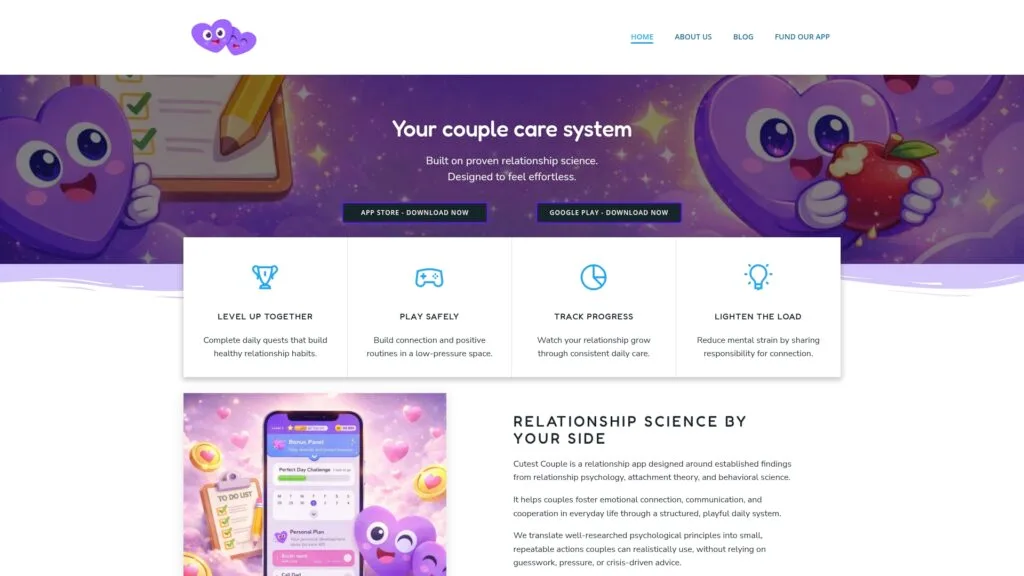
Discover how Cutest Couple combines personal growth and shared goals into one engaging system featuring XP rewards, contribution-based task tracking, and a unique love-language recognition model. Explore features like Personal Tasks and cooperative household management while building lasting intimacy and measurable progress. Start growing together now by visiting Cutest Couple and bring the habit tracking strategies from this article into your everyday life.
Frequently Asked Questions
What are couple habit trackers and how do they work?
Couple habit trackers are tools designed to help partners monitor and improve specific aspects of their relationship through structured activities. Use these trackers to have regular check-ins, share responsibilities, and celebrate achievements together, fostering greater connection and accountability.
How can I implement daily check-ins as a couple habit tracker?
To start daily check-ins, set aside 10 minutes each day for a structured conversation. During these check-ins, share highlights, emotional states, challenges, and appreciation, creating a routine that enhances your emotional connection over time.
What are some examples of tasks to include in a task progress chart?
Include household tasks such as cooking, cleaning, grocery shopping, and personal responsibilities like bill payments or errands in your task progress chart. This visual representation can help balance responsibilities and promote teamwork.
How do XP and reward systems benefit my relationship?
XP (experience points) and reward systems make personal development and relationship goals feel like a fun game. Establish clear goals, assign points for completing tasks, and create meaningful rewards that promote emotional bonding and shared motivation.
What should I consider when creating an intimacy wish list?
When creating an intimacy wish list, focus on establishing a safe space for expressing desires both emotionally and physically. Reflect on personal needs individually before sharing, and regularly review and adjust based on each partner’s feedback for continued growth.
How can contribution logs help improve relationship harmony?
Contribution logs highlight each partner’s unique inputs and efforts in the relationship, reducing resentment and emotional tension. Track both visible and invisible efforts, celebrate contributions, and maintain flexibility to adjust based on changing capacities.
No responses yet