


Introduction
In the midst of juggling work deadlines, household responsibilities, and the endless demands of modern life, couples often find themselves stuck in a rut—ordering takeout on the couch while scrolling through phones. But here’s the truth: creating a meaningful connection doesn’t require expensive reservations or elaborate plans. Some of the most memorable moments happen right at home, where you can relax without time pressure and focus entirely on each other.
“The best dates aren’t about where you go—they’re about who you’re with and the intention you bring to the moment.”
Whether you’re managing busy schedules, parenting young children, or simply looking to reignite the spark, at-home date nights offer flexibility, intimacy, and creativity that restaurants can’t match. This guide walks you through five proven approaches to transform your living room into a romantic escape, complete with practical steps to eliminate distractions and keep the focus on what matters: reconnecting with your partner.
What You’ll Need
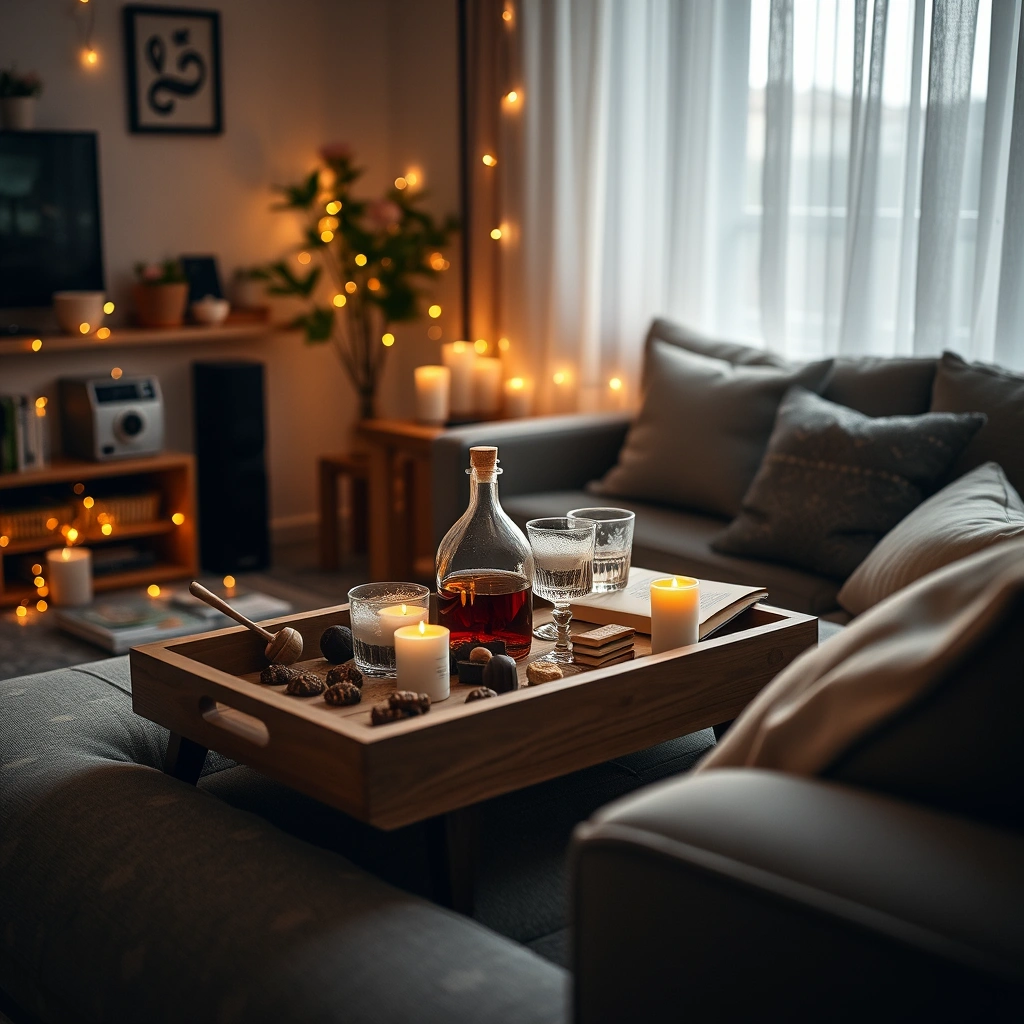
Before diving into your at-home date night, gather these essentials to set yourself up for success. The following table outlines everything you’ll want to have on hand:
| Category | Items | Purpose |
|---|---|---|
| Ambiance | Candles, string lights, or dimmer switches | Create warm, intimate lighting |
| Music | Bluetooth speaker, curated playlist | Set the mood with background sound |
| Comfort | Throw blankets, cushions, comfortable seating | Ensure physical comfort during the evening |
| Refreshments | Wine, cocktail ingredients, sparkling water, snacks | Provide beverages and light bites |
| Entertainment | Board games, movie titles, cooking ingredients | Support your chosen activity |
| Decor | Fresh flowers, table linens, place cards | Add thoughtful finishing touches |
| Tech Setup | Phone chargers (away from seating area), tablet for music | Manage devices intentionally |
Having these items ready prevents last-minute scrambling and allows you to focus on the experience rather than logistics.
Step 1: Plan Your Theme and Set the Mood
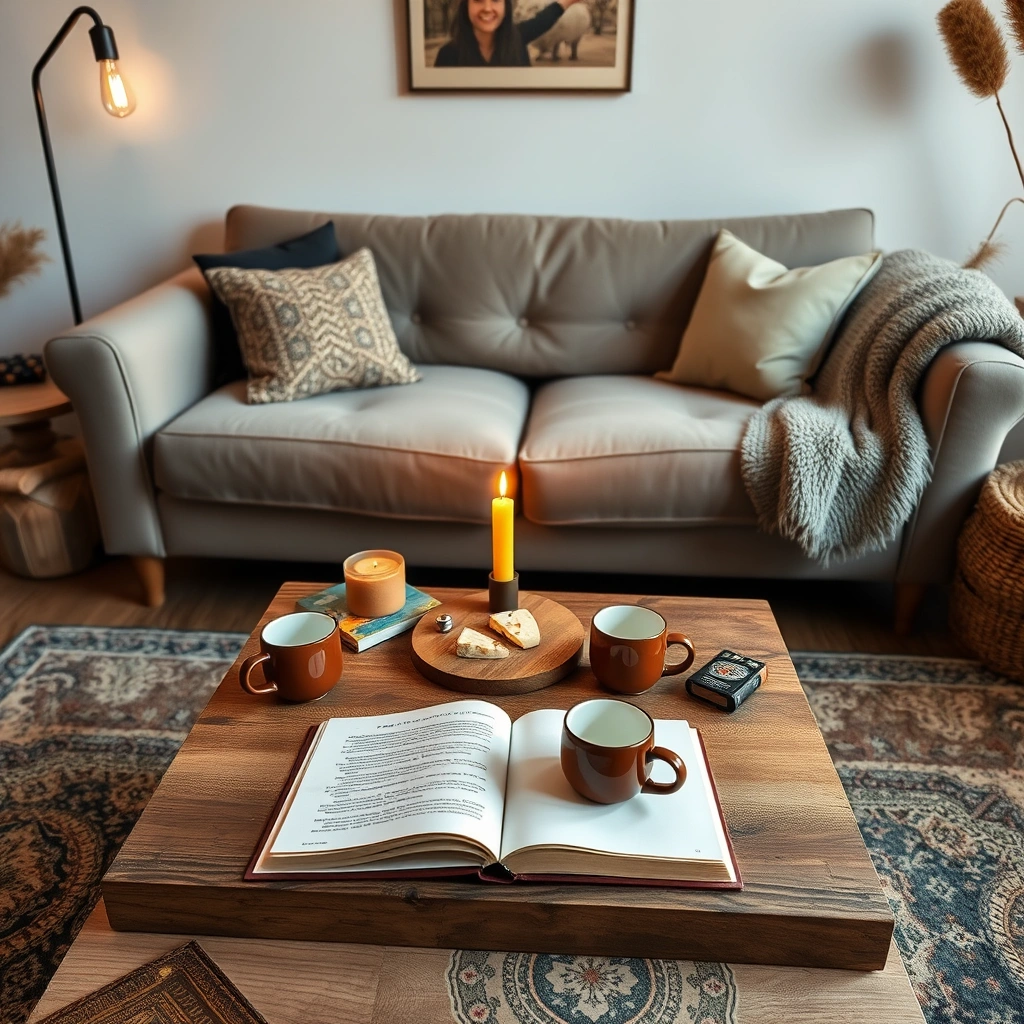
The foundation of any successful at-home date night is intentional planning and atmospheric design. Rather than leaving the evening to chance, decide on a specific theme or vibe that excites both of you. This gives structure to your time together and creates anticipation leading up to the date.
Create the Right Atmosphere
Your environment dramatically influences the entire experience. Lighting is your most powerful tool—harsh overhead lights kill romance instantly. Dim the lights, light candles, or use string lights to create soft, warm illumination. Add a carefully curated playlist in the background; the music should be unobtrusive enough to allow conversation but present enough to enhance the mood. Consider the sensory details: fresh flowers on the table, a light scent like vanilla or lavender diffusing through the room, and comfortable seating arrangements that encourage closeness without feeling forced.
Choose Your Date Night Vibe
Think about what resonates with both of you. Are you foodies who’d enjoy cooking together? Do you crave playful competition through games? Would you prefer a cozy movie marathon with themed snacks? Perhaps a wine and dessert tasting appeals to you, or maybe a DIY spa experience sounds perfect. The key is choosing something that feels authentic to your relationship, not what you think date nights “should” look like.
“The best date nights reflect who you are as a couple, not who you think you should be.”
Step 2: Prepare Your Space and Eliminate Distractions
The magic of an at-home date night evaporates quickly when you’re distracted by clutter, notifications, or half-finished chores. This step focuses on creating a dedicated space that feels intentional and free from the chaos of daily life. You don’t need a mansion—just a clean, organized area where both of you can fully engage with each other.
Declutter and Decorate
Start by clearing your chosen space of anything that screams “real life.” Put away laundry piles, stack mail neatly, and vacuum or tidy the floors. This takes 15-20 minutes but makes an enormous difference. Next, add intentional touches: arrange throw pillows, drape a soft blanket over seating, or place fresh flowers as a focal point. The goal isn’t perfection—it’s creating an environment that feels special and separate from your everyday routine.
- Remove visible clutter from your date night area
- Vacuum or sweep the floor and straighten furniture
- Add soft textures like blankets and cushions for comfort
- Incorporate fresh flowers or greenery as decoration
- Ensure adequate seating for two people facing each other
- Adjust lighting before guests arrive (in this case, just you two)
Manage Technology and Interruptions
Silence your phones completely—not vibrate mode, but truly silent. Better yet, place them in another room. Turn off notifications on your smart TV, smart speakers, and any other connected devices. If you’re using music or a movie, set it up beforehand so you’re not fumbling with controls during the evening. The goal is to eliminate the temptation to check in with the outside world. This dedicated time is sacred, and every interruption chips away at the intimacy you’re building.
Step 3: Design Your Entertainment or Activity
Now comes the fun part—deciding what you’ll actually do together. The best date nights balance structure with spontaneity. You need enough planning to avoid awkward silences, but enough flexibility to follow moments of genuine connection wherever they lead. Choose an activity that encourages interaction rather than passive consumption.
Option A: Cook a Meal Together
Cooking as a couple transforms dinner from a chore into foreplay. Select a recipe that’s ambitious enough to be interesting but not so complex that stress replaces joy. Think pasta from scratch, homemade pizza, or a multi-course tapas spread. Assign roles—one person handles prep while the other manages cooking—and work in rhythm together. The collaborative nature of cooking creates natural conversation, friendly competition, and the reward of eating something you created as a team.
“Cooking together isn’t just about the food; it’s about the laughter, the minor disasters, and the pride of sharing something you made with your own hands.”
Option B: Create a Game or Movie Night
If cooking feels like too much effort, game nights or movie marathons offer equally engaging alternatives. Board games like Ticket to Ride or Catan spark friendly competition and conversation. Trivia games encourage playful banter. For movies, choose something you both genuinely want to watch—not what you think you should watch—and pair it with themed snacks or a charcuterie board. The key is selecting entertainment that doesn’t demand constant attention, leaving room for talking, laughing, and connecting between scenes.
Step 4: Set the Table and Serve with Style
Even if you’re eating casual food, presentation transforms the experience. Setting a proper table signals that this evening matters and deserves care. You’re not aiming for restaurant formality—just thoughtfulness that shows you value your partner’s time.
| Element | Details | Impact |
|---|---|---|
| Plating | Use real dishes instead of paper; add garnish or color | Elevates simple food into something special |
| Glassware | Wine glasses, water glasses, or cocktail cups | Creates sophistication without pretense |
| Linens | Cloth napkins or a tablecloth in a color you love | Adds texture and intentionality |
| Centerpiece | Candles, flowers, or a small plant | Draws the eye and creates focal interest |
| Place Cards | Optional but charming; personalized touches | Shows extra thoughtfulness |
| Utensils | Proper silverware placement for a multi-course meal | Makes the experience feel elevated |
Beyond the table itself, consider these serving details:
- Plate food in the kitchen and bring it out together for a sense of occasion
- Pour drinks intentionally—make a small toast before eating
- Dim the lights slightly once everything is served
- Have napkins readily available for comfort and practicality
- Keep water glasses filled throughout the meal
- Clear plates together when ready, maintaining the partnership feeling
Step 5: Engage Fully and Disconnect from Daily Stress
The most romantic dinner or entertaining game means nothing if you’re mentally reviewing tomorrow’s work emails or thinking about the laundry pile. This step is about presence—the most valuable gift you can give your partner. Genuine engagement requires intentional effort in our distraction-filled world, but it’s what transforms an evening from pleasant to truly memorable.
Practice Active Presence
Active presence means more than just being physically in the room. It means making eye contact, putting your phone away (seriously—in another room), and listening to understand rather than waiting for your turn to speak. When your partner shares something, ask follow-up questions. Notice their expressions, their energy, what makes them laugh. This level of attentiveness creates vulnerability and deepens connection.
If your mind wanders to work or responsibilities, gently redirect it. Remind yourself that these two to three hours are protected time—the dishes will still be there later, emails will wait until morning, and work stress doesn’t deserve real estate in your brain right now. Mindfulness doesn’t require meditation; it simply means anchoring yourself in the present moment with the person across from you.
Keep Conversation Flowing
Silence doesn’t have to be awkward—sometimes it’s peaceful. But intentional conversation deepens intimacy. Ask questions beyond surface-level logistics: What’s something you’ve been thinking about lately? What would your ideal weekend look like? What’s a dream you haven’t told me about? These open-ended prompts invite genuine sharing rather than yes-or-no responses.
Avoid the trap of discussing logistics, bills, or parenting frustrations—save those conversations for dedicated planning sessions. Instead, reminisce about how you met, share funny stories, discuss books or shows you’ve watched, or explore hypothetical scenarios together. The goal isn’t perfect conversation; it’s an authentic connection. Sometimes the best moments happen in comfortable silence while you’re cooking or playing a game together.
Troubleshooting Common Issues
Even well-planned date nights hit snags. Here’s how to handle the most common challenges:
Kids interrupt constantly: Set clear boundaries beforehand. Use a babysitter if possible, or establish a rule that interruptions are only for emergencies. If you’re home alone with sleeping children, set a baby monitor within view but out of earshot to minimize anxiety.
One person seems disengaged: Communicate directly and kindly. Say something like, “I’m noticing you seem distant—is everything okay?” Sometimes external stress bleeds into the evening. Rather than forcing fun, you might pivot to a lower-pressure activity or simply talk about what’s weighing on them.
The cooking disaster happens: Laugh it off and pivot. Order takeout, make sandwiches, or grab snacks. The meal was never the point—connection was. Some of the best date night stories involve the time the pasta boiled over or the recipe went hilariously wrong.
Technology fails, or distractions arise: If your music stops, switch to a different playlist or enjoy silence. If the movie won’t load, play a game instead. Flexibility is your friend—rigid attachment to plans creates frustration. The best dates adapt gracefully when curveballs appear.
You’re both exhausted: This is real. Sometimes the best date night is moving to the couch earlier than planned, putting on something light, and just being together. Don’t judge yourself for lower energy; showing up matters more than performing perfectly.
Pro Tips for Success
Transform your date night from good to unforgettable with these strategic additions:
Start earlier than you think necessary. Plan for 7 p.m. instead of 8 p.m. This removes time pressure and allows the evening to breathe. You won’t feel rushed, and if conversation flows beautifully, you have hours ahead rather than scrambling toward bedtime.
Create a playlist that matches your vibe. Spend 15 minutes beforehand curating 10-15 songs that set the mood without dominating attention. Artists like Bon Iver, Norah Jones, or John Legend work well for romance, while upbeat indie playlists suit playful evenings.
Prepare one surprise element. This could be a special dessert you made earlier, a cocktail recipe you learned, or a game neither of you has played before. Small surprises trigger dopamine and show thoughtfulness without requiring elaborate planning.
Dress up slightly. You don’t need formal wear, but changing out of work clothes signals that this evening is different. Wear something that makes you feel confident and attractive—you’re doing this for yourself and your partner.
Establish a no-phones-allowed rule with accountability. Make it playful: whoever checks their phone first buys coffee tomorrow. This removes the temptation and creates shared commitment to presence.
Conclusion
Date nights at home aren’t a consolation prize for busy couples—they’re one of the most powerful tools for maintaining intimacy and joy in your relationship. The beauty of this approach lies in its accessibility: you don’t need expensive reservations, fancy outfits, or elaborate logistics. What you need is intention, presence, and willingness to prioritize your partner in a world that constantly demands your attention elsewhere.
The five steps outlined in this guide—planning your theme, preparing your space, designing meaningful activities, setting the table with care, and engaging fully—create a framework for connection that works whether you have two hours or an entire evening. Real romance isn’t about perfection; it’s about showing up, being present, and creating moments that remind you why you chose this person in the first place.
Start small. Pick one date night idea that excites you both, block it on your calendar, and commit to it without guilt or second-guessing. Once you experience how transformative even a simple evening can be, you’ll find yourself naturally creating more of these moments. Your relationship deserves this time and attention. Make it happen.
Frequently Asked Questions
How often should we have date nights at home?
Ideally, aim for at least once a month, though weekly or bi-weekly is even better if your schedules allow. The frequency matters less than consistency—a monthly date night you actually prioritize beats sporadic plans that keep getting canceled. Treat it like a non-negotiable appointment with yourself and your partner. Even 90 minutes of dedicated time makes a measurable difference in relationship satisfaction and connection.
What if we have young children at home?
Hire a babysitter, ask family to watch the kids, or wait until they’re asleep for a later evening date. If childcare isn’t possible, involve older kids minimally by setting clear boundaries: they can interrupt only for emergencies, and you’re unavailable otherwise. Alternatively, schedule a daytime date while children are at school or during a partner’s work-from-home day. The key is protecting uninterrupted time together, however you can manage it.
How do we keep date nights from feeling like another chore?
Choose activities you genuinely enjoy, not what you think you “should” do. If cooking feels stressful, order takeout instead. If games feel competitive and tense, watch a movie. The moment date night becomes an obligatory performance, it loses its magic. Authenticity matters more than ambition. Also, vary your activities so you’re not doing the same thing every month—novelty keeps things fresh and exciting.
What’s the budget for an at-home date night?
You can have a meaningful date night for under $30 by cooking a simple meal together, playing free games, or streaming a movie you already have access to. If you want to spend more, budget $50-100 for nicer ingredients, wine, or special touches. The investment is minimal compared to restaurants, making at-home dates accessible regardless of financial situation. Focus on thoughtfulness over expense—your partner values effort and presence far more than spending.
How do we recover if the date night feels awkward or falls flat?
This happens to everyone. Acknowledge it with humor: “Well, that didn’t go as planned. Want to try something different?” Pivot to a lower-pressure activity like ordering pizza and watching something light. Use it as information: maybe you need more time to decompress from work, or perhaps you need to discuss what wasn’t working before the next date. Flexibility and communication transform potential failures into opportunities to understand each other better.
No responses yet