


You scroll through your phone and see another quiz promising to reveal your relationship’s love language, but things still feel off at home. For many Millennial couples juggling work and city living, misunderstanding the basics of love languages leads to missed emotional signals. The truth is, while the five love languages provide a popular framework, scientific research shows that emotional needs are more complex. This article simplifies what actually matters so you can spot your real connection patterns and turn daily gestures into meaningful growth.
Table of Contents
- Love Language Basics And Common Misunderstandings
- The Science Gap
- Common Misunderstandings
- Why This Matters For Real Couples
- The Five Love Languages Explained Simply
- Finding Your Pattern
- Spotting Your Love Language In Everyday Life
- How Gamified Rewards Reveal Real Patterns
- Balancing Different Love Languages In A Relationship
Key Takeaways
| Point | Details |
|---|---|
| Understanding Love Languages | Each partner expresses and receives love differently, which can lead to misunderstandings in relationships. |
| Flexibility is Essential | Love languages are not fixed; they can shift based on context and current needs, requiring partners to adapt. |
| Value of Communication | Discussing love languages fosters clearer communication about needs, reducing assumptions and enhancing intimacy. |
| Gamification as a Tool | Using gamified systems to track love language expressions helps both partners recognize and address changing emotional needs effectively. |
Love Language Basics and Common Misunderstandings
You’ve probably heard the term love languages thrown around—maybe your partner mentioned it, or you saw a quiz on your phone. But what does it actually mean, and does the concept hold up to real life?
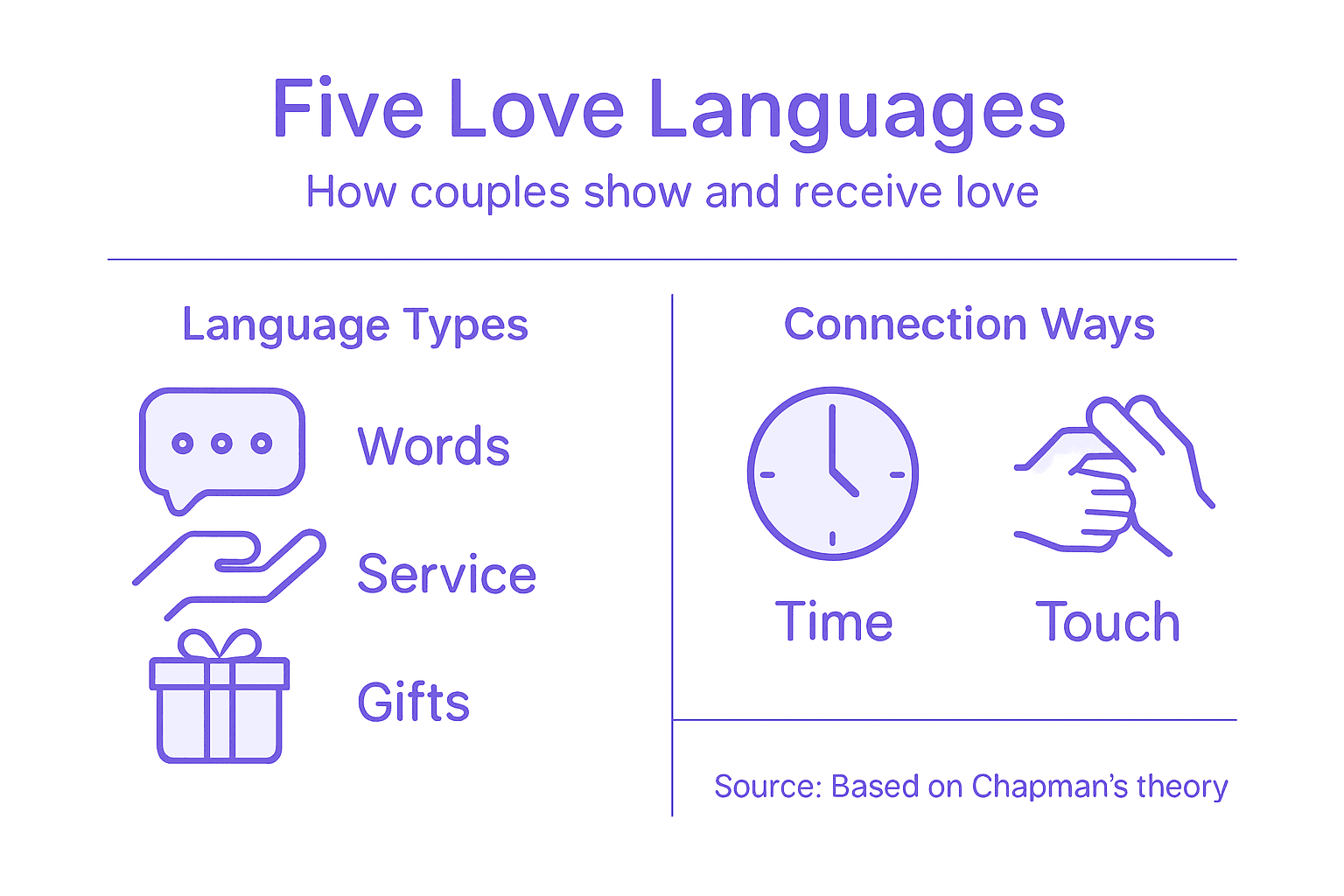
The five love languages were popularized by Gary Chapman’s bestselling book, and the idea is appealingly simple: everyone expresses and receives love in different ways. Chapman identified these five categories:
- Words of Affirmation: verbal appreciation and encouragement
- Acts of Service: doing helpful things without being asked
- Receiving Gifts: thoughtful presents that show you were thinking of them
- Quality Time: focused, undivided attention
- Physical Touch: hugs, hand-holding, and affection
The concept resonates because it explains why your partner might not feel loved even when you’re trying hard. You’re showing love in one way; they’re looking for it in another.
The Science Gap
Here’s where things get interesting. Empirical research has not strongly validated three core assumptions: that everyone has a single dominant love language, that there are strictly five languages, or that matching your partner’s language significantly boosts relationship satisfaction.
That doesn’t mean the concept is useless. It’s just not scientifically bulletproof—yet the framework remains intuitively valuable.
Common Misunderstandings
Most couples make these mistakes when exploring love languages:
- Assuming one language dominates forever: You might prefer acts of service today but crave quality time during a stressful season.
- Forcing the five-language structure: Some research suggests there could be a sixth language or variations within categories that don’t fit Chapman’s model.
- Treating it like a personality type: Love languages aren’t fixed traits; they’re behavioral patterns shaped by context and relationship needs.
- Ignoring your own language: Partners often focus so hard on speaking their partner’s language that they neglect expressing their own needs.
- Using it as an excuse: “That’s just not my love language” can shut down growth instead of opening communication.
The real value isn’t proving which language is “yours”—it’s recognizing that love gets expressed and received in multiple ways, and that awareness sparks better conversations.
Why This Matters for Real Couples
Even without perfect science behind it, love languages offer a shared vocabulary. You can say, “I feel most loved when we spend uninterrupted time together,” instead of vaguely complaining that things feel distant. That clarity changes everything.
The framework becomes even more powerful when you can actually see your patterns in real time. Instead of guessing your love language through a static quiz, you can track how you naturally show love through your actual actions and choices over weeks and months.
Pro tip: Don’t get locked into a single language identity. Ask yourself which love language you crave most this week, and tell your partner what you need right now instead of assuming they should already know.
The Five Love Languages Explained Simply
Now that you know love languages exist, let’s break down each one so you can actually recognize them in your relationship. The five love languages describe different ways people express and receive love, and most couples find that both partners use all five—just in different amounts.
Here’s what each one looks like in real life.
Words of Affirmation
This is verbal appreciation. Your partner feels most loved when you say kind things out loud—compliments, encouragement, gratitude, or just acknowledging something they did well.
Examples in action:
- “I noticed how patient you were with your friend today. That says a lot about your character.”
- “Thank you for making dinner. It made my evening so much easier.”
- “I’m proud of how you handled that.”
People who speak this language thrive on hearing what their partner thinks. Silence or taking them for granted feels like rejection.
Quality Time
This means undivided attention. Your phone stays away. You’re fully present, whether talking, cooking together, or just sitting quietly.
What counts:
- Phone-free conversations about anything
- Cooking or running errands together
- A walk where you’re actually engaged, not distracted
- Watching something together and actually discussing it afterward
For quality-time people, presence is proof of love. Scrolling while they talk sends the message that other things matter more.
Physical Touch
This is affection through your body: hugs, hand-holding, shoulder touches, cuddles, or physical intimacy. Touch releases bonding chemicals and makes someone feel genuinely safe.
It doesn’t have to be elaborate:
- A hand on the small of their back
- Playing with their hair
- A long hug when you see them
- Physical closeness during conversation
If this is their language, lack of touch reads as coldness, even if you love them deeply.

Acts of Service
This means doing things that lighten their load. You show love through helpful actions: cooking, laundry, handling admin tasks, fixing things, or anticipating what they need.
Practical examples:
- Filling their car with gas without being asked
- Tackling a chore they hate
- Making an appointment they’ve been putting off
- Bringing them coffee the way they like it
When someone speaks this language, actions genuinely speak louder than words. Effort counts.
Here’s a summary of how each love language influences relationship satisfaction and communication effectiveness:
| Love Language | Boosts Satisfaction Most When | Most Effective Communication Style | Key Vulnerability |
|---|---|---|---|
| Words of Affirmation | Regular verbal praise | Honest, direct appreciation | Silence or criticism hurts |
| Acts of Service | Unasked helpful actions | Action-based reassurance | Neglected chores cause tension |
| Receiving Gifts | Thoughtful, relevant tokens | Symbolic acts and surprises | Forgotten occasions sting |
| Quality Time | Uninterrupted attention | Engaged, distraction-free talks | Distraction means disrespect |
| Physical Touch | Frequent affection, not just intimacy | Warm, consistent touch | Physical distance is painful |
Receiving Gifts
This language isn’t about materialism—it’s about symbolism and thoughtfulness. A gift says, “I was thinking of you. I remembered something that matters to you.”
It works best when:
- The gift reflects something they mentioned wanting
- It’s a small, meaningful token (not expensive)
- You remember something they love and surprise them
- It shows you listen and pay attention
When partners express love in their preferred love language, they report higher feelings of love and satisfaction, which means understanding this matters.
Finding Your Pattern
You probably recognize yourself and your partner already. Most people use 2-3 languages regularly and have one or two that feel strongest.
The key insight: your partner isn’t broken because they crave what you don’t naturally give. They just speak a different dialect of love than you do.
Pro tip: Ask your partner, “If I showed you love this week, how would I do it?” Their answer reveals which language matters most right now, since needs shift with stress, seasons, and life changes.
Spotting Your Love Language in Everyday Life
You already know the five languages exist. But how do you actually figure out which one resonates most with you and your partner? It’s less about a quiz and more about paying attention to real patterns.
Look for the Gaps
Notice what you feel is missing when your partner doesn’t show love. That absence tells you everything.
Ask yourself these questions:
- When do you feel most neglected or hurt?
- What would your partner have to do to make you feel deeply loved right now?
- When someone shows you they care, what form does it usually take?
- What small gesture makes you feel most seen?
Your answer points directly to your primary language.
Watch Their Behavior, Not Just Words
People naturally express love in their dominant language. Your partner probably showers you with exactly what they most want to receive.
If they’re constantly:
- Doing helpful things for you → acts of service matters to them
- Giving you thoughtful gifts → receiving gifts speaks to them
- Wanting to spend time together → quality time is their currency
- Offering hugs and physical affection → physical touch fuels them
- Complimenting and encouraging you → words of affirmation sustains them
They’re teaching you their language without realizing it.
Track How You Naturally Show Up
Look at where you naturally put energy and resources. Spotting your love language involves recognizing patterns of how you feel most loved, but also what you offer without being asked.
Do you:
- Arrange dates and protect time together?
- Buy small gifts when you think of them?
- Jump to help with tasks and chores?
- Give physical affection freely?
- Offer lots of verbal praise?
What comes naturally to you is usually what you crave.
Recognize That It Shifts
Here’s the reality most people miss: your love language isn’t frozen. During stressful periods, you might need more quality time. When you’re feeling disconnected, physical touch becomes critical. When you’re burned out, acts of service feel like pure relief.
People may fluctuate across languages or experience multiple simultaneously depending on context. Context matters far more than you think.
The Real Signal: How You Feel
Forget the framework for a moment. When do you actually feel loved? That warm, secure, seen feeling—that’s your answer. Your body knows your language even if your brain hasn’t named it yet.
Your nervous system responds when someone speaks your dialect. That’s not psychology; that’s biology.
The goal isn’t to lock yourself into one language forever—it’s to notice what makes you feel most secure and connected right now.
From Recognition to Action
Once you spot your pattern, share it with your partner. Not as a demand, but as information: “I notice I feel most loved when we have uninterrupted time together.” That clarity transforms everything.
Similarly, ask them what they need. Let them tell you their language instead of guessing. When both partners understand what fuels the other, you stop taking things personally and start showing up intentionally.
Pro tip: Track one week of how your partner shows love and one week of how you naturally show love. The overlap and gaps become crystal clear, and you’ll both understand what effort actually matters.
How Gamified Rewards Reveal Real Patterns
Here’s something most couples don’t realize: you can’t see your own patterns until they’re made visible. That’s where gamified rewards change everything. Instead of guessing which love language matters most, you get to watch your real behavior unfold over time.
The Pattern Problem
You tell yourself you know how you show love. But do you really? Without tracking, it’s just a story you tell yourself. One partner thinks they give acts of service constantly. The other partner doesn’t feel it. Who’s right? You both are—you’re just seeing different things.
Gamefied systems solve this by making behavior visible and measurable. Every gesture becomes data. Over weeks and months, patterns emerge that quizzes could never capture.
How Rewards Shape What You Notice
Gamified reward systems reveal behavioral patterns by creating immediate feedback loops. When you earn coins for completing a loving gesture, you’re not just feeling good—you’re building a record of what you actually did.
This matters because:
- You see your genuine effort, not just your intentions
- Patterns become visible in real time, not in hindsight
- Both partners get to celebrate small wins together
- The data becomes the conversation starter instead of assumptions
The Wish Shop Reveals Everything
Here’s the powerful part: when you redeem coins for specific types of wishes—Safe Touch, Sweet Words, Caring Favors, Time Together, or Meaningful Gifts—a behavioral snapshot emerges naturally.
Over time, your redemption history shows which categories you gravitate toward:
- Do you consistently choose Time Together wishes?
- Are Safe Touch redeems your priority?
- Do you lean heavily toward Caring Favors?
- Is Meaningful Gifts where your coins go?
- Do Sweet Words dominate your choices?
You’re not answering a quiz. You’re showing yourself your actual priorities through real choices.
Beyond Guessing
Gamification enhances motivation and engagement by creating sustained attention to behavior. Instead of taking Chapman’s five-languages assessment once and assuming that’s your answer forever, you get to evolve.
Your love language isn’t static. It shifts with seasons, stress, and connection levels. A gamified system shows those shifts in real time, which means both partners stay attuned to each other’s changing needs.
The Conversation It Starts
When you can show your partner, “Look—my coin redemptions this month lean heavily toward quality time,” something shifts. You’re not accusing or demanding. You’re sharing data about yourself. That’s conversation, not conflict.
Both partners see the same numbers. Both understand the pattern. Discussion moves from “You never…” to “I notice I’ve been craving more of this.” That’s collaboration.
Real patterns emerge from real behavior tracked over time. A quiz gives you a label. Gamified tracking gives you understanding.
Why This Beats the Quiz
A love-language quiz happens once. You answer five questions on a random Tuesday and think you’ve solved the puzzle. But relationships aren’t static, and neither is love.
Gamefied systems are living documentation of how you both actually show up. The pattern isn’t in your head—it’s in your history. And that history becomes the foundation for real connection.
Pro tip: Review your redemption history together monthly. Not to judge each other, but to notice what’s shifted and what’s stayed consistent. That conversation reveals more than any quiz ever could.
This table compares static quiz-based approaches with behavior-tracking systems for discovering love languages:
| Approach | Captures Shifting Needs | Reveals Actual Behavior | Drives Real-Time Conversation |
|---|---|---|---|
| One-Time Quiz | No, one-time snapshot | No, only hypothetical | Rarely, results in labels |
| Gamified Behavior Tracking | Yes, reflects daily change | Yes, logs real actions | Yes, prompts weekly dialogue |
Balancing Different Love Languages in a Relationship
Here’s the truth nobody tells you: your partner’s primary love language isn’t their only love language. And yours isn’t static either. Real relationships require a balanced approach where both partners learn to give and receive love in multiple ways.
It’s Not Either/Or
Too many couples get stuck thinking, “I speak quality time, so that’s what I should always give.” But that’s like saying you only eat one food because it’s your favorite. You need variety to be nourished.
Love is best understood not as a single language but as a balanced diet of multiple essential expressions. Your partner benefits from all five, just in different proportions.
The Flexibility Principle
Relationships aren’t static puzzles you solve once. They’re living systems that shift with seasons, stress levels, and life changes. What fueled your connection last year might not work this month.
Flexibility matters more than consistency. Some weeks, your partner craves acts of service because they’re overwhelmed. Other weeks, physical touch becomes critical during a vulnerable period. Your job is to notice and adapt.
What Each Partner Actually Needs
Couples who respond to each other’s preferred love languages report higher relationship and sexual satisfaction. But here’s the nuance: responding doesn’t mean abandoning your own language.
It means both partners learn all five. Consider this balance:
- Lead with their preference: Show love primarily in their language
- Maintain your expression: Still express yourself authentically in your language
- Fill the gaps: Learn their secondary languages and use them strategically
- Stay flexible: Adjust based on what they need this week, not just what they always want
Empathy Is the Bridge
Balancing different languages requires genuine empathy—not just doing what works for you, but understanding what lands for them. When your partner says they feel loved through quality time, that’s not a quirk to tolerate. That’s information about how their nervous system feels safe.
Empathy shifts you from “I’ll do this because they need it” to “I understand why this matters.” That shift changes everything.
The Real Pattern
Over time, you’ll notice that certain combinations work better than others. Maybe acts of service + quality time creates the deepest connection for your partner. Or perhaps physical touch + words of affirmation is their sweet spot.
These patterns aren’t random. They reveal how your partner’s emotional needs actually function. That understanding becomes your relationship’s operating manual.
Balance doesn’t mean equal—it means responding with intention to what your partner genuinely needs right now.
Making It Practical
Stop thinking of love languages as separate boxes. Instead, think of them as instruments in an orchestra. Each one matters. Each one contributes. The goal is harmony, not perfection.
When both partners understand this, resentment dissolves. There’s no “you always” or “you never.” There’s just two people learning each other’s frequencies and adjusting the volume accordingly.
Pro tip: Each week, ask your partner one question: “What would make you feel most loved this week?” Their answer might surprise you—it often shifts based on what’s happening in their life, not just their default language.
Discover Your Real Love Language Through Action and Connection
Understanding your love language is just the beginning. As the article highlights, love languages shift, and true connection grows through real behavior rather than static quizzes. If you want to move beyond guesswork and experience love languages in action, explore how Cutest Couple brings this powerful concept to life with a gamified relationship system.
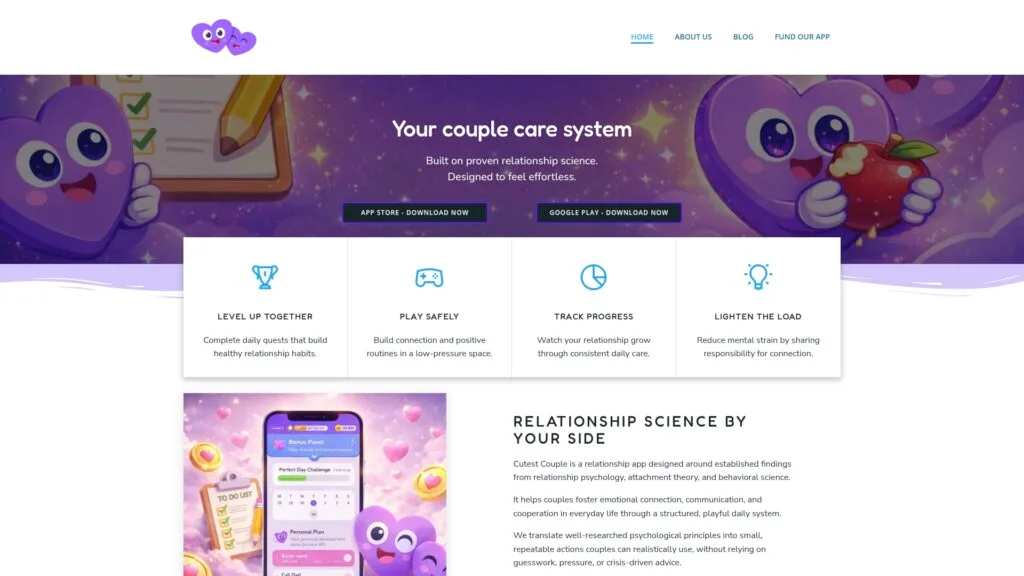
Cutest Couple helps you and your partner discover and express your current love languages by tracking genuine daily actions and shared efforts. With features like love-language–based rewards, an Intimacy Wish Shop, and no-pressure contribution models, it transforms your everyday gestures into meaningful growth and connection. Start turning invisible efforts into visible progress today at Cutest Couple and see how your relationship flourishes when love languages become living patterns, not labels. Visit the landing page to join now and step into a relationship growth journey designed for real life.
Frequently Asked Questions
What are the five love languages?
The five love languages are Words of Affirmation, Acts of Service, Receiving Gifts, Quality Time, and Physical Touch. Each language represents a different way people express and receive love in relationships.
How can I identify my love language?
To identify your love language, pay attention to what you feel is missing when your partner doesn’t show love. Consider what gestures make you feel most loved, and reflect on how you naturally express love towards others.
Can love languages change over time?
Yes, love languages can change depending on context, stress levels, and life changes. It’s important to stay flexible and aware of each other’s evolving needs in a relationship.
How can understanding love languages improve my relationship?
Understanding love languages can improve your relationship by fostering better communication. It helps you express love in ways that resonate with your partner, leading to increased emotional intimacy and satisfaction.
No responses yet