


Balancing a busy career with a fulfilling relationship often means you and your partner spend more time managing stress than deepening your bond. The everyday demands can leave even the most committed couples feeling disconnected or overwhelmed, unsure how to keep intimacy and teamwork alive. If you find yourself stuck in routines or missing that sense of togetherness, you’re not alone.
The good news is that small, intentional strategies can transform both your daily experience and the long-term strength of your partnership. Backed by relationship research, these actionable ideas support greater appreciation, better conflict management, and deeper emotional safety.
Get ready to discover simple rituals and habits that will make your relationship feel more rewarding, resilient, and connected—no matter how packed your schedule gets.
Table of Contents
- 1. Practice Daily Appreciation and Gratitude
- 2. Set Shared Goals and Track Progress
- 3. Balance Responsibilities Without Conflict
- 4. Nurture Emotional Intimacy Together
- 5. Create Personalized Love-Language Rituals
- 6. Celebrate Milestones and Growth
- 7. Schedule Regular Connection Check-Ins
Quick Summary
| Takeaway | Explanation |
|---|---|
| 1. Practice Daily Gratitude | Regularly express appreciation to strengthen your emotional bond and foster mutual recognition. |
| 2. Set and Track Shared Goals | Establish specific, measurable goals to create accountability and strengthen teamwork within your relationship. |
| 3. Balance Responsibilities Together | Divide household tasks fairly to prevent resentment; communicate openly about roles and needs. |
| 4. Build Emotional Intimacy | Foster vulnerability and trust for deeper emotional connection through consistent, caring actions. |
| 5. Celebrate Milestones Together | Acknowledge achievements, both big and small, to reinforce commitment and enhance your shared narrative. |
1. Practice Daily Appreciation and Gratitude
Most couples drift into autopilot mode. You stop noticing the small things your partner does, and they stop noticing what you contribute. This invisible erosion weakens your bond without anyone realizing it’s happening.
Daily appreciation and gratitude are the antidote to that drift. When you actively notice and express what you value about your partner, you strengthen your emotional connection and create a cycle of mutual recognition.
Research shows that expressing gratitude daily in intimate relationships increases responsiveness and deepens commitment between partners. When your partner feels genuinely appreciated, they naturally reciprocate with their own appreciation. This creates a positive feedback loop that reinforces both individual and relational wellbeing.
Why This Works
Gratitude does more than feel good. It reduces stress, increases relationship satisfaction, and builds resilience during conflict. Couples who regularly exchange appreciation have stronger defenses against external pressures and everyday frustrations.
When you appreciate your partner, you’re also reinforcing the behaviors and qualities you value. This sends a clear message about what matters in your relationship without requiring criticism or correction.
How to Build the Habit
Start small and be specific. Generic praise (“You’re great”) works less effectively than targeted appreciation.
- Notice one specific action today (they made coffee, they listened without interrupting, they handled a stressful call with grace)
- Name what you appreciated and why it mattered (“I noticed you did the dishes without being asked, and that gave me time to decompress”)
- Share it verbally or in writing, depending on what feels natural to your dynamic
- Repeat tomorrow with a different observation
The goal isn’t perfection. It’s building a consistent rhythm where appreciation becomes as natural as your morning routine.
Feeling appreciated by a partner increases one’s own appreciation and strengthens the behaviors that bond you together over time.
Many dual-career couples use daily appreciation as a shared habit that takes just minutes but yields lasting connection. This practice works best when both partners commit to it, creating a culture of recognition rather than assumptions.
Pro tip: Create a specific moment for appreciation, like during dinner or before bed, so it becomes part of your daily rhythm instead of something you occasionally remember to do.
2. Set Shared Goals and Track Progress
Without a shared vision, couples operate in separate lanes. You’re both working hard, but toward different destinations. Setting shared goals gives your partnership direction and purpose, transforming individual effort into collective progress.
Shared goals also create accountability in a positive way. You’re not tracking each other like a surveillance system. You’re celebrating wins together and supporting each other through challenges. This builds trust and reveals how committed you both are to growth.
Why Tracking Matters
Progress visibility changes everything. When you see measurable improvement—whether it’s date nights completed, communication wins, or habits built together—you feel the relationship strengthening in real time. Tracking prevents the silent disappointment of trying hard but never knowing if it’s working.
For busy dual-career couples, tracking also keeps shared goals from becoming another item on an endless to-do list. When progress is visible and celebrated, motivation sustains itself.
Setting Goals That Stick
Not all goals are created equal. Vague intentions like “be closer” or “communicate better” rarely translate into action. Your goals need clarity and specificity.
Consider using relationship goal-setting strategies that align both partners’ values and expectations. Effective shared goals follow this framework:
- Specific and measurable (“Schedule one 30-minute conversation per week” instead of “talk more”)
- Meaningful to both of you (not just one partner’s priority)
- Achievable within your schedule (realistic for two busy professionals)
- Time-bound (“by the end of this month” creates urgency)
- Trackable (you can see progress visually)
Making Tracking Enjoyable
Tracking doesn’t have to feel clinical. Many couples discover that visualizing relationship progress through gamification makes the whole process more engaging and fun.
When tracking becomes a game rather than a chore, you both stay committed. Small wins feel rewarding, and forward momentum becomes motivating instead of exhausting.
Visible progress reinforces commitment and transforms individual effort into shared achievement.
Start with one or two goals maximum. Overloading yourselves with objectives defeats the purpose and breeds frustration.
Pro tip: Review your shared goals together weekly in a relaxed moment, celebrate completed tasks, and adjust goals that no longer fit your changing circumstances instead of abandoning them entirely.
3. Balance Responsibilities Without Conflict
Unequal responsibility distribution is a silent relationship killer. One partner feels overwhelmed while the other feels unappreciated, and resentment builds quietly in the background. The solution isn’t perfectionism—it’s clear communication about who does what and why.
When responsibilities are balanced fairly, conflict naturally decreases. Research shows that equitable task sharing reduces conflict and enhances relationship satisfaction significantly. The key is moving from assumptions to explicit agreements.
The Real Problem With Invisible Work
Most household and relationship tasks are invisible. One person tracks appointments, plans meals, manages finances, and remembers birthdays while the other has no idea how much mental labor that requires. This imbalance breeds frustration because effort goes unrecognized.
Dual-career couples face this challenge intensely. Both partners work full-time, yet domestic responsibilities often fall unevenly. Without intentional rebalancing, exhaustion and resentment accumulate quickly.
How to Divide Responsibilities Fairly
Fairness doesn’t mean splitting everything 50-50. It means both partners feel their contribution is valued and the load is manageable.
Start by mapping out all responsibilities in your household:
- Financial management and bill paying
- Meal planning and grocery shopping
- Cooking and kitchen cleanup
- Laundry and household tidying
- Childcare and school logistics (if applicable)
- Home maintenance and repairs
- Social coordination and family communication
- Health and wellness planning
Next, divide these based on skills, preferences, and availability rather than default gender roles. One partner might love cooking while the other prefers outdoor maintenance. Honor those preferences when possible.
From Agreement to Action
Once you’ve divided responsibilities, make the system visible. Write it down or use a shared tool so both partners know exactly who handles what. This removes guessing and prevents the same tasks from being negotiated repeatedly.
Review your system quarterly. Life changes, and what worked last year might not work now. Adjust without guilt or blame.
When both partners understand and accept their responsibilities, conflict decreases and mutual respect strengthens the partnership.
The goal is creating a system where neither person feels like the default parent, manager, or household coordinator. Everyone shares the mental and physical load.
Pro tip: Assign one “project manager” task per partner—one handles home maintenance while the other manages finances—so each person has clear ownership and decision-making power in their domain.
4. Nurture Emotional Intimacy Together
Emotional intimacy is where real connection lives. It’s not about grand gestures or perfect moments. It’s about feeling truly known, understood, and safe with your partner. Without it, even the best relationships feel hollow.
Many couples confuse physical affection with emotional closeness. You can share a bed and still feel miles apart. Emotional intimacy requires vulnerability, and vulnerability requires trust built through consistent, caring actions.
What Emotional Intimacy Actually Means
Emotional intimacy happens when you share your authentic self with your partner without fear of judgment. It involves vulnerability, empathy, and shared emotional experiences that deepen your bond over time.
This means letting your partner see your fears, dreams, insecurities, and hopes. It means they do the same, and you both respond with compassion instead of criticism.
Building Emotional Safety
You can’t have intimacy without safety. Your partner needs to know that sharing something painful won’t be used against them later or shared with others. Building this safety takes time and consistency.
Start small if vulnerability feels risky. Share something moderately personal and notice how your partner responds. If they listen without judgment and reciprocate, trust deepens.
Key practices for building emotional safety include:
- Listening actively without planning your response while they’re talking
- Validating feelings even when you disagree with their perspective
- Asking clarifying questions to show genuine interest in their experience
- Keeping confidences and never weaponizing personal information
- Showing up consistently, especially during difficult moments
Making Intimacy a Regular Practice
Emotional intimacy isn’t something you achieve once. It requires ongoing attention. Building shared routines creates predictable moments where vulnerability and connection can happen naturally.
These don’t need to be elaborate. A weekly walk where you talk about real things. A bedtime conversation about hopes and fears. A monthly date focused on deeper questions instead of small talk.
Couples who actively nurture emotional closeness through open communication and mutual support enhance their resilience against stress and strengthen their entire relationship.
When you feel emotionally close, conflict becomes easier to navigate. You’re fighting alongside each other instead of against each other.
Pro tip: Create a weekly “feelings check-in” where you each share one vulnerable thing you experienced that week, then respond with empathy and curiosity rather than solutions or advice.
5. Create Personalized Love-Language Rituals
Your partner feels loved differently than you do. One person lights up when you say “I love you,” while another needs a hug or help with a stressful task. Understanding these differences transforms how you show affection and ensures your effort actually lands.
Love languages are the specific ways people prefer to receive and give care. When you speak your partner’s language, appreciation deepens. When you miss the mark, effort goes unnoticed despite good intentions.
The Five Love Languages
Psychologist Gary Chapman identified five primary love languages. Most people lean toward one or two, though everyone appreciates all of them to varying degrees.
- Words of Affirmation (compliments, encouragement, verbal appreciation)
- Quality Time (undivided attention, meaningful conversations)
- Receiving Gifts (thoughtful presents, symbolic tokens)
- Acts of Service (helping with tasks, reducing their burden)
- Physical Touch (hugs, holding hands, intimate contact)
Discovering Your Partner’s Primary Language
Don’t assume. Ask your partner directly or observe what they naturally give to others. People often express love in the way they want to receive it.
Notice what makes them light up. Does your partner feel most loved when you cook dinner, or when you sit and listen without distractions? Do they appreciate kind words or prefer help managing stress?
Building Rituals Around Their Language
A ritual is a repeated action that signals care and commitment. It works because consistency matters more than grand gestures. Small, reliable acts of love build stronger bonds than occasional elaborate surprises.
Here’s how to create personalized rituals:
- Identify your partner’s primary love language through conversation or observation
- Design a simple, repeatable action that speaks that language
- Commit to consistency, even when life gets busy
- Adjust based on feedback and changing circumstances
Examples include a weekly coffee date for quality time lovers, daily compliments for words of affirmation seekers, or regular acts of service like meal prep for those who feel loved through help.
Rituals transform good intentions into consistent actions that deepen connection and ensure your partner feels genuinely valued.
You can also gamify intimacy building by rewarding yourself when you successfully maintain love-language rituals, turning relationship care into a shared practice.
Pro tip: Ask your partner “What’s one small thing I could do this week that would make you feel more loved?” and actually do it, then ask again the following week to keep rituals fresh and responsive.
6. Celebrate Milestones and Growth
Couples often rush from one challenge to the next without pausing to acknowledge progress. You survive a difficult conversation, build a new habit, or reach an anniversary, and then immediately move on. This invisible progress erodes motivation and makes relationships feel like endless work instead of shared achievement.
Celebrating milestones isn’t frivolous. It’s a critical practice that reinforces commitment, strengthens your bond, and reminds you both why the effort matters. Recognition transforms isolated victories into a collective narrative of growth.
Why Celebrations Matter
Research shows that recognizing relationship milestones positively influences satisfaction by reinforcing commitment and shared history. When you celebrate, you’re sending a message that your partnership matters and that progress deserves acknowledgment.
Celebrations also boost motivation. After acknowledging one win, you feel energized to tackle the next challenge together. Momentum builds naturally when you make space for reflection and joy.
What Counts as a Milestone?
Milestones aren’t limited to anniversaries and anniversaries. Growth happens constantly in relationships. The key is noticing it and making it visible.
Milestones worth celebrating include:
- Relationship anniversaries (dating, engagement, marriage)
- Personal achievements by either partner
- Completed relationship goals or habits
- Resolved conflicts or communication breakthroughs
- Time milestones (one month conflict-free, 100 appreciation exchanges)
- Moments of vulnerability or emotional growth
- Supporting each other through difficult life events
Making Celebrations Meaningful
Celebrations don’t require money or elaborate plans. They require intentionality and presence. The ritual of stopping to acknowledge progress matters more than the celebration’s scale.
Regular acknowledgement of relational growth fosters positive bonding and resilience. Even small gestures create lasting impact when they’re deliberate and heartfelt.
Simple celebration ideas:
- Share one thing you’re proud of about your partner or relationship
- Take a photo together and reminisce about how far you’ve come
- Cook a special meal or order from your favorite restaurant
- Write a note expressing gratitude for specific growth you’ve witnessed
- Create a tradition or ritual around milestone dates
Celebrations mark progress, enhance partner appreciation, and increase emotional engagement—all critical for long-term relationship health.
The goal is creating visible recognition of the effort you both invest. When progress becomes tangible, your partnership feels rewarding instead of obligatory.
Pro tip: Set a monthly “growth check-in” where you each name one milestone, win, or moment of growth from the past month, then celebrate with something you both enjoy.
7. Schedule Regular Connection Check-Ins
Life moves fast. Between work deadlines, household tasks, and individual commitments, couples drift into parallel living. You share a space but not real conversation. Connection check-ins are the antidote to this drift, creating dedicated time to reconnect and address issues before they become crises.
Without scheduled check-ins, important conversations get postponed indefinitely. Small frustrations accumulate into silent resentment. Regular check-ins prevent this by creating a safe container for honest dialogue about your relationship’s health.
What Makes Check-Ins Different From Regular Talk
Check-ins are intentional and focused. They’re not casual conversation while scrolling phones or multitasking. They’re dedicated time where you both fully show up, with phones away and distractions minimized.
During check-ins, you discuss what’s working, what needs attention, and how you’re both feeling about the relationship. This isn’t about solving problems immediately. It’s about staying connected and aware.
Frequency and Timing
Consistency matters more than length. Weekly 30-minute check-ins work better than monthly hour-long sessions. Regular rhythm creates predictability and trust.
Find a time that works for both of you:
- Weekly check-ins work well for busy couples, creating frequent touchpoints
- Biweekly check-ins provide adequate frequency for established relationships
- Monthly check-ins work if weekly feels overwhelming initially
- Choose a consistent day and time so it becomes automatic
What to Discuss During Check-Ins
Have a simple framework to guide conversation. This prevents check-ins from feeling aimless and ensures you cover what matters.
Key topics to address:
- What went well this week in your relationship and individual lives
- Challenges or frustrations you’ve both experienced
- Upcoming plans and commitments affecting your time together
- Appreciation for specific things your partner did
- Areas needing attention before they become bigger issues
- Goals and dreams you’re working toward together
Creating Psychological Safety
Check-ins only work if both partners feel safe being honest. If someone fears judgment or criticism, they’ll hold back. Before starting, agree that check-ins are judgment-free zones for honest reflection.
Regular connection check-ins transform casual coexistence into intentional partnership, preventing small issues from becoming relationship crises.
Approach check-ins with curiosity, not criticism. The goal is understanding your partner’s experience, not defending your own position.
Pro tip: Set a phone reminder 30 minutes before your weekly check-in time, and use a simple written framework with three questions: “What felt good this week?”, “What needs attention?”, and “What are you grateful for about us?”
Below is a comprehensive table summarizing the key strategies and practices presented in the article for strengthening relationships.
| Practice | Implementation | Benefits |
|---|---|---|
| Daily Appreciation and Gratitude | Notice and express daily gratitude through specific acknowledgments. Example: “I appreciated you making coffee—this gave me time to relax.” | Boosts emotional connection, reduces stress, and strengthens mutual recognition. |
| Shared Goals and Progress Tracking | Set clear, actionable goals and monitor progress using visual aids or tools. Commit to regular reviews for adjustment and motivation. | Aligns efforts, enhances accountability, and creates a sense of shared achievement. |
| Equitable Responsibility Sharing | Explicitly divide tasks based on skills and preferences, documenting the arrangement. Regularly reassess distribution. | Reduces conflict, prevents resentment, and increases satisfaction. |
| Emotional Intimacy Building | Foster trust by sharing vulnerable feelings consistently, validating emotions, and engaging in empathetic responses. | Deepens emotional bonds, develops personal security, and facilitates conflict resolution. |
| Love Language Rituals | Understand each other’s primary love language and establish recurring actions showcasing affection in that language. | Amplifies partner appreciation and personal connection. |
| Milestone Celebrations | Acknowledge relationship achievements through intentional, symbolic acts. Example: a special dinner or handwritten note. | Strengthens commitment, highlights growth, and reinforces shared values. |
| Scheduled Connection Check-Ins | Organize regular, distraction-free dialogues covering relationship strengths, challenges, and plans. | Encourages proactive communication, prevents misunderstandings, and sustains connection. |
Strengthen Your Relationship with a Proven Gamified System
The journey to better relationship wellness hinges on daily appreciation, shared goals, and balanced responsibilities as highlighted in the “7 Essential Steps for a Relationship Wellness Checklist.” These challenges often leave couples feeling disconnected or overwhelmed despite their best intentions. If you want to build emotional intimacy, create personal and shared growth habits, and keep visible progress that motivates both partners, specialized support is key.
Cutest Couple offers a gamified approach that turns your efforts into rewarding real-life progress. From managing Shared Tasks in a fair and fun way to cultivating personal growth through Personal Tasks, the app integrates love-language based recognition and meaningful milestones to help couples stay connected and motivated daily.
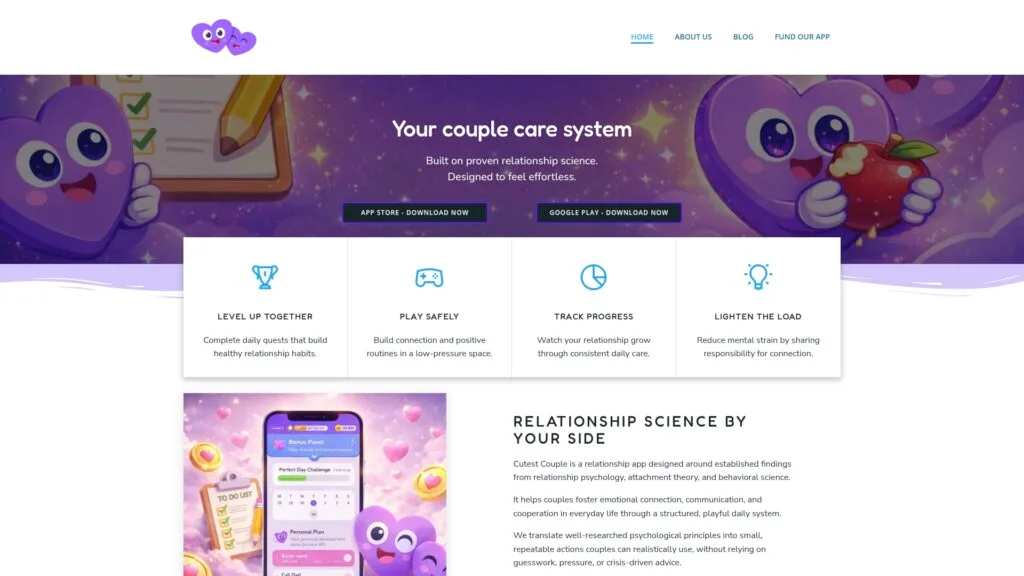
Start transforming your relationship wellness checklist into action today. Visit Cutest Couple now to explore how a structured, playful system can help you and your partner reconnect, celebrate growth, and turn everyday moments into lasting love.
Frequently Asked Questions
How can I practice daily appreciation in my relationship?
To practice daily appreciation, focus on noticing specific actions your partner takes and expressing gratitude for them. For example, tell your partner how much you appreciated them making dinner last night to create a habit of recognition in your daily life.
What are effective ways to set shared goals as a couple?
To set effective shared goals, create specific, measurable, and time-bound objectives that reflect both partners’ values. Start by scheduling a weekly check-in to discuss and adjust these goals together as necessary.
How can we balance responsibilities without conflict?
You can balance responsibilities by mapping out all household tasks and openly discussing who prefers to take on each role. Aim to reach an agreement that both partners feel comfortable with, and regularly review the division of responsibilities quarterly to ensure fairness.
What steps can we take to nurture our emotional intimacy?
To nurture emotional intimacy, make a goal to share something personal with your partner regularly, focusing on vulnerability and empathy. For instance, incorporate a weekly feelings check-in where both partners can express their emotions in a safe environment.
How should we celebrate milestones in our relationship?
To celebrate milestones, recognize both big and small achievements as a couple. Set aside time monthly to reflect on goals reached, and plan a simple celebration, such as a special dinner or thoughtful note, to honor your growth together.
How do we schedule regular connection check-ins?
To schedule regular connection check-ins, choose a consistent day and time each week to focus solely on each other without distractions. For example, aim for 30 minutes every Sunday evening dedicated to discussing how your relationship is progressing and any concerns you may have.
No responses yet